National Classification
Your Competitive Journey Starts Here
Classification ensures fair play by grouping para athletes based on their functional abilities
Sport Classes
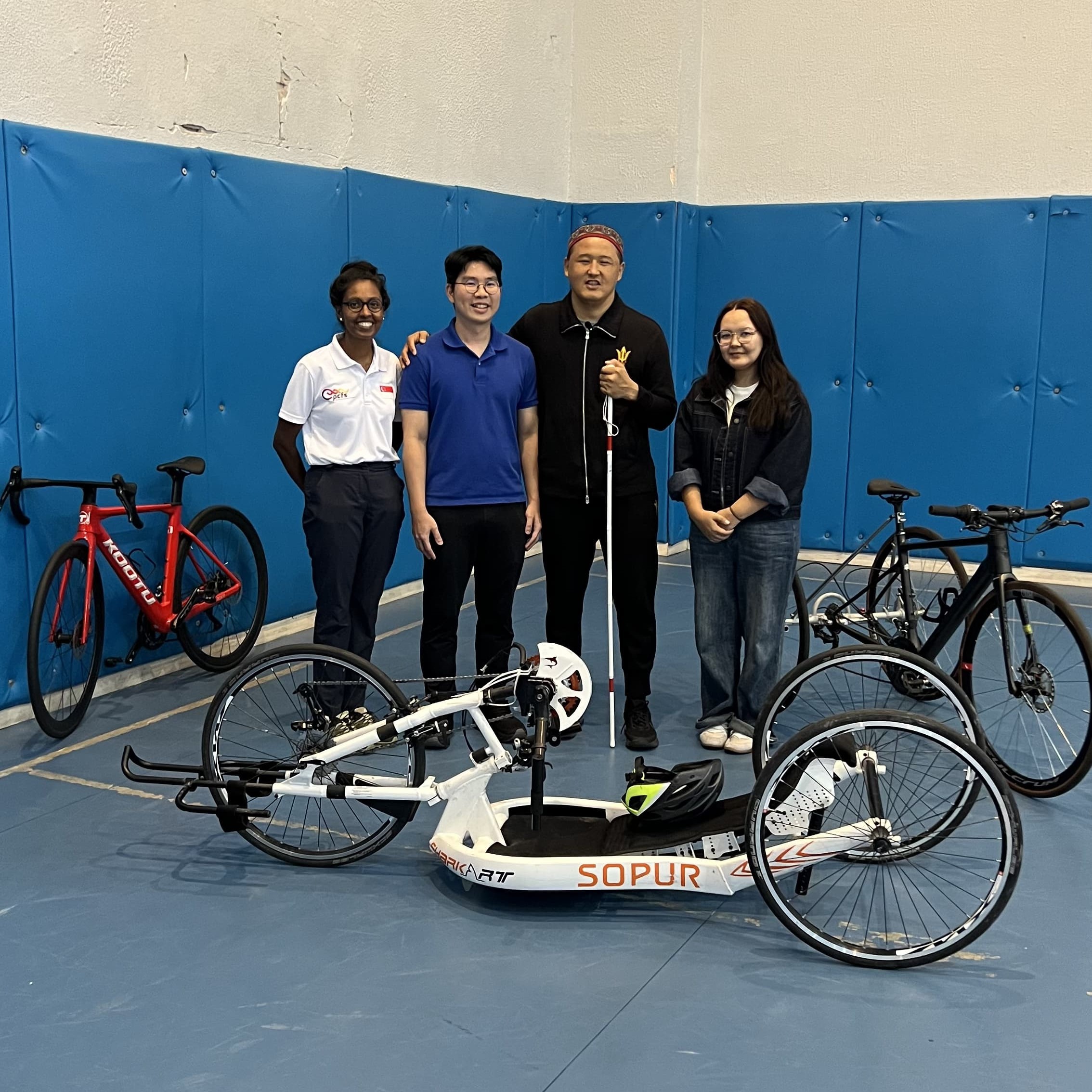
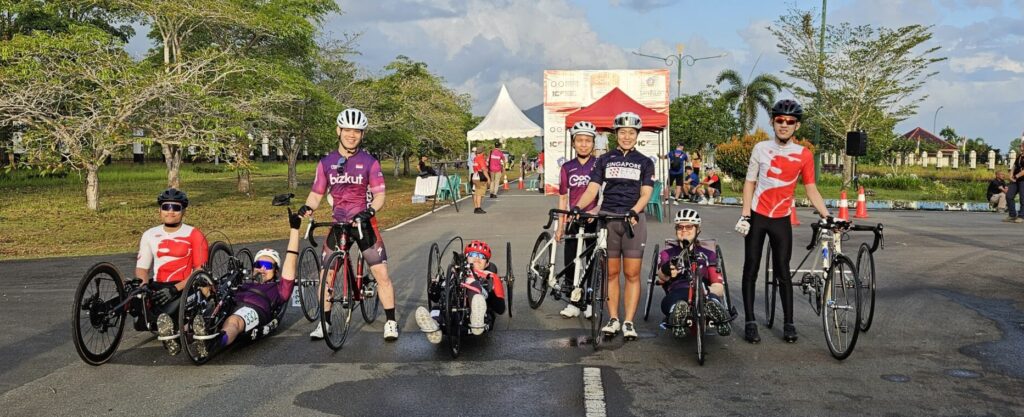
Handcycle
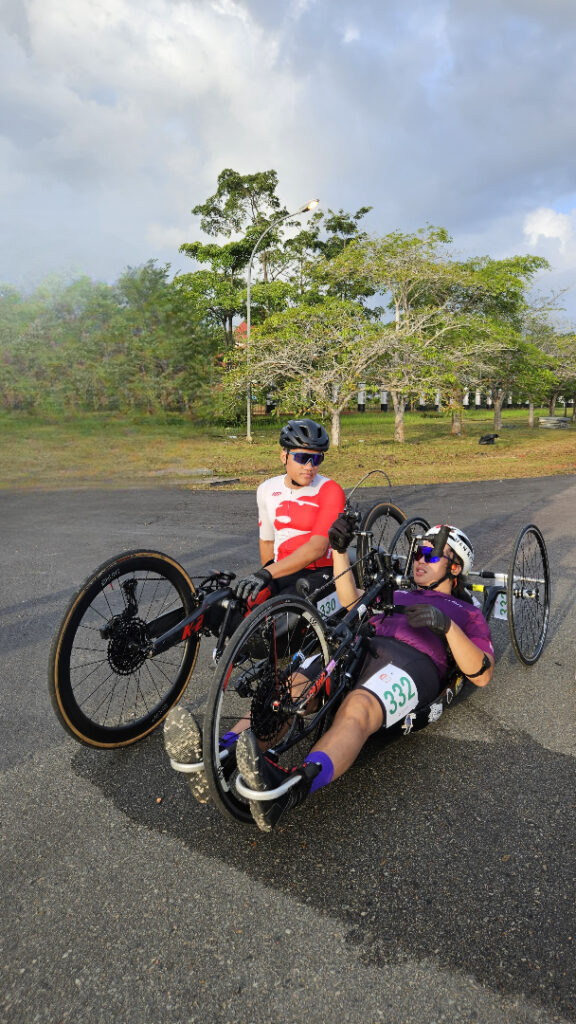
Classes H1 to H5: Propelled by arms, for athletes with lower-limb impairments or spinal injuries.
Tandem
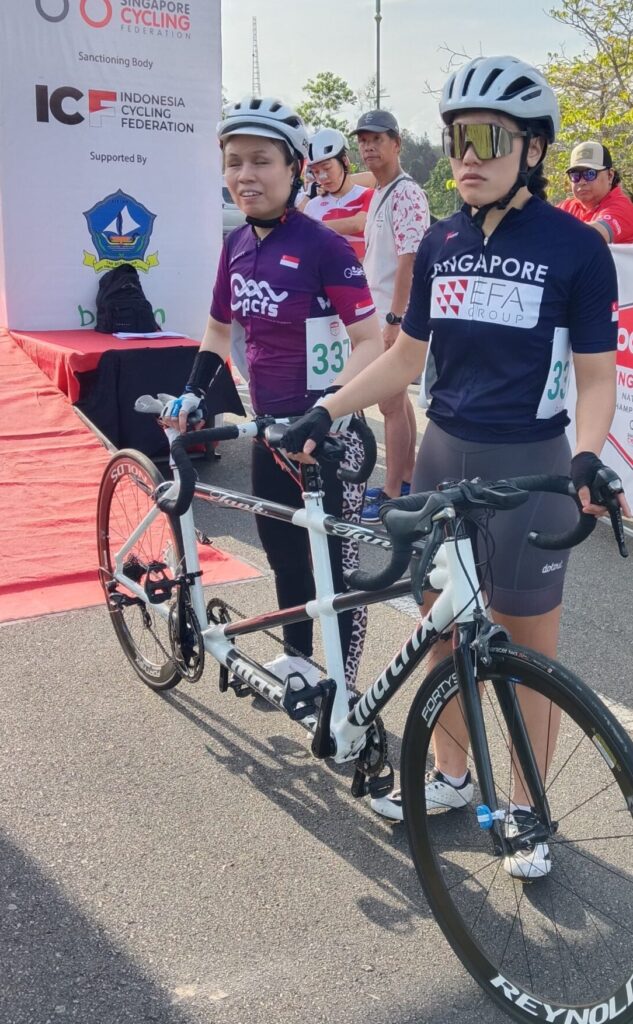
Class B or Tandem: Cycled by two athletes. Able-bodied pilots steer a visually impaired stoker
Tricycle
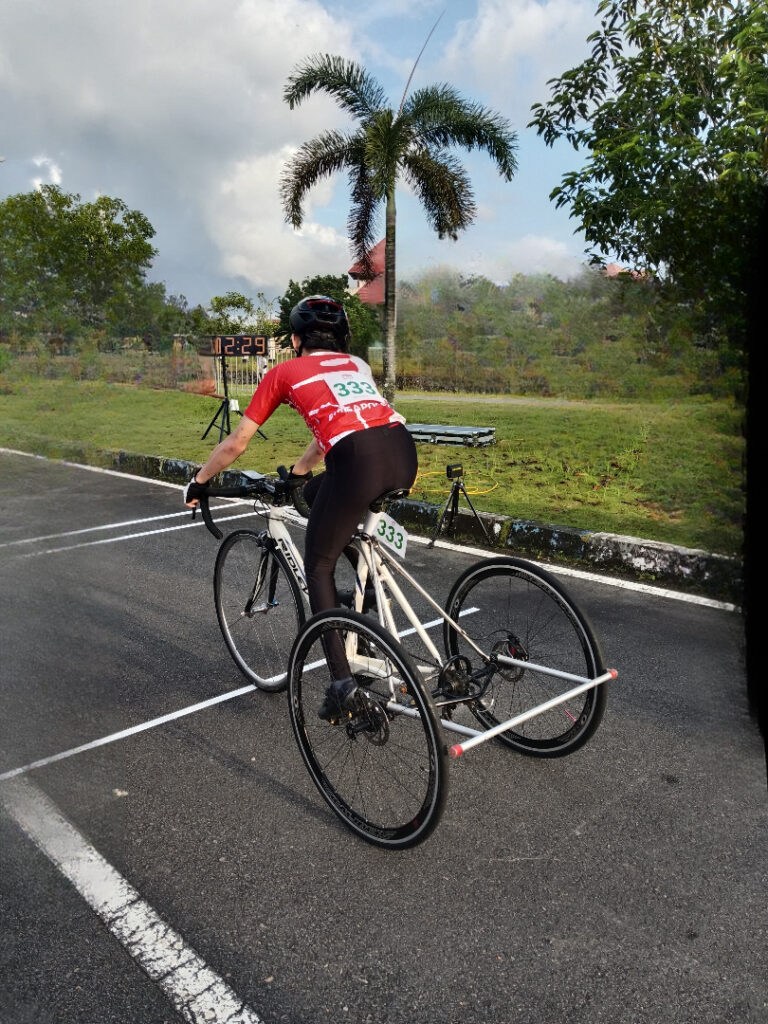
Classes T1 to T2: Athletes with balance or severe coordination impairments that prevent riding a standard bicycle
Bicycle
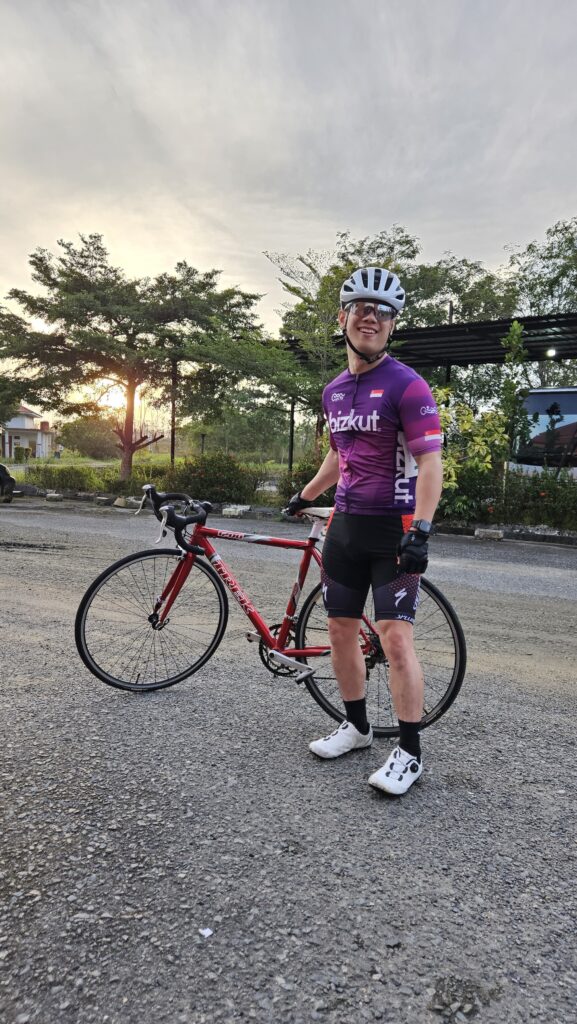
Classes C1 to C5: Athletes with physical impairments who can ride standard two-wheeled bicycles
Learn more about the different paracycling sport classes below:
How is Classification Done
Step 1

Submit Relevant Medical Documents
Step 2
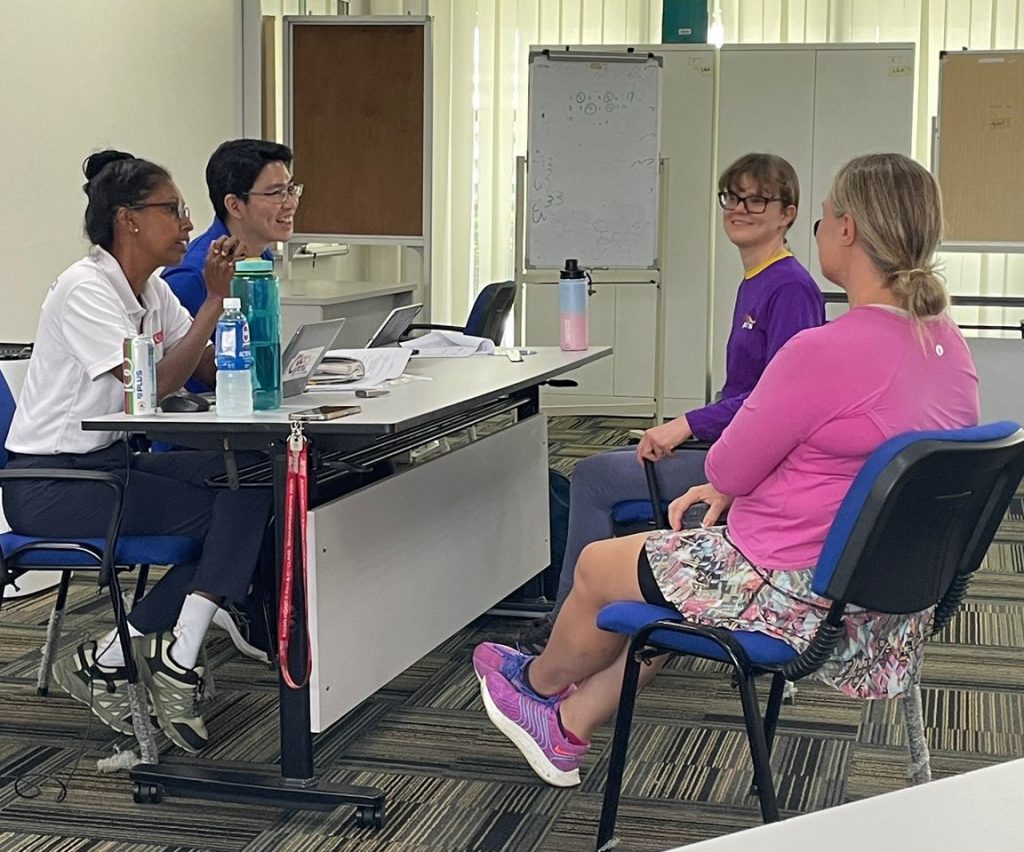
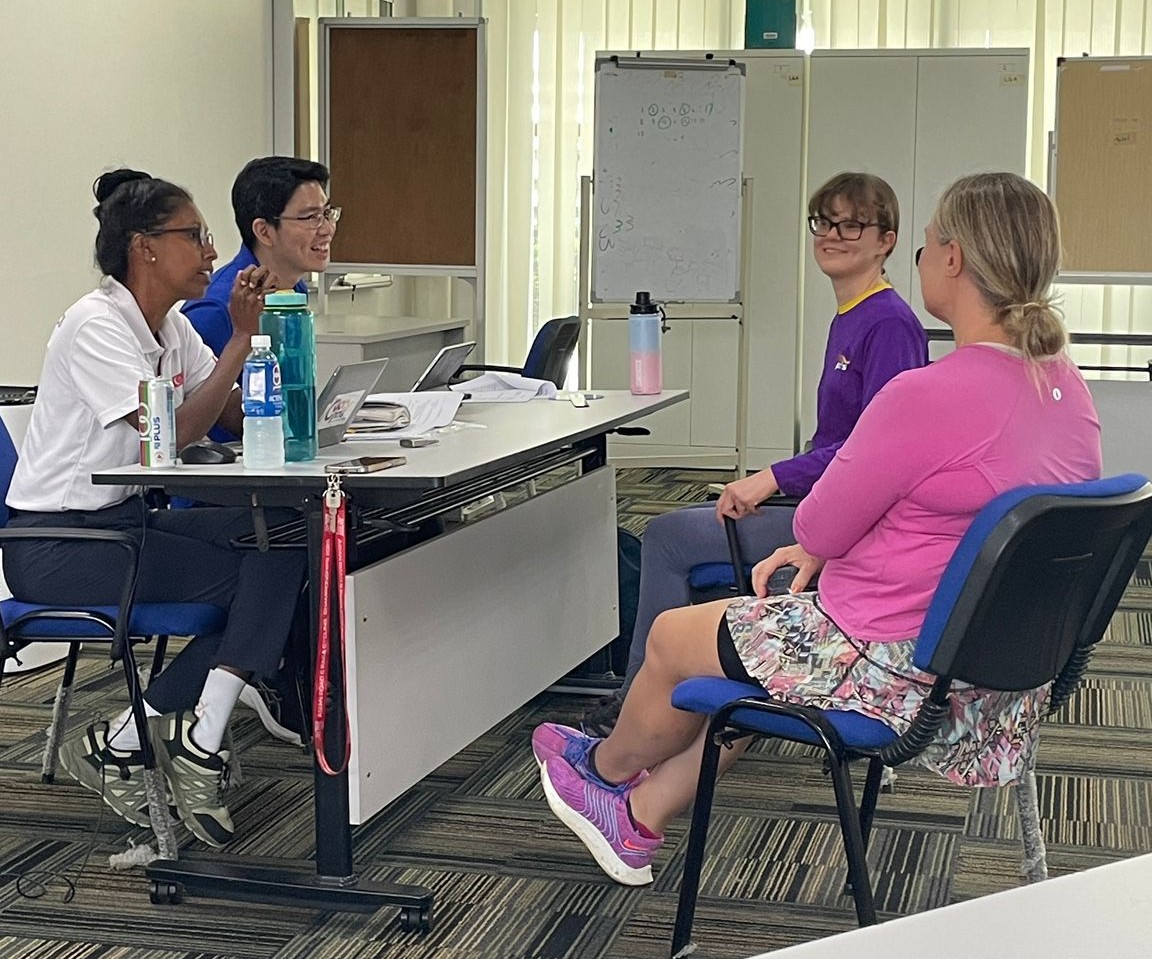
Attend Medical & Classification Assessments
Step 3
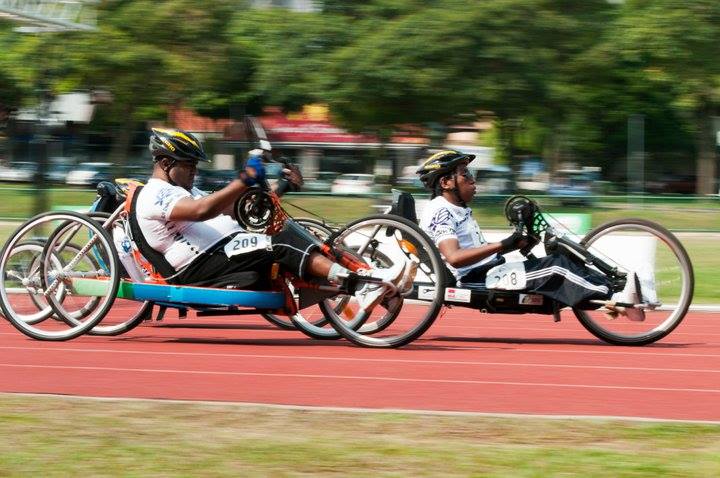
Attain Sport Class & Race
Next Classification Dates: 10 – 11 October 2026
Please click here to enquire more about the national classification process
Meet Our Team

Chedsada Charuphongsa
Medical Classifier

Yvette
Technical Classifier

Athena Han
Technical Classifier
Eligible Impairment Types
Visual Impairment (IV)
Athletes with various degrees of vision loss ranging from total vision loss, partial vision loss, to low vision
Example of medical conditions leading to VI:
- Glaucoma
- Retinitis pigmentosa
Reduce Muscle Power
Athletes with no muscle control or difficulty generating force through voluntary muscle control, leading to limited force output in specific limbs or the trunk.
Example of medical conditions leading to reduced muscle power:
- Spinal cord injury
- Muscular dystrophy
- Spina bifida
Leg Length Discrepancy or Limb Deficiency
Athletes who are missing part or all of a limb, or who have limbs of different lengths. These permanent physical differences must be caused by a medical condition, such as a birth defect, an illness, or a serious injury affecting the bones or joints.
There are two main groups:
- Missing/Lack of a Limb: Total or partial absence of an arm or leg
- Limb Length Difference: One arm/leg is significantly shorter than the other
Coordination Impairment
Athletes who have a medical condition affecting their brain or nervous system, making it difficult to control and coordinate their muscles. As a result, they struggle to perform athletic movements smoothly, quickly, and accurately.
There are three main types of movement issues:
- Dyskinesia: Uncontrollable, involuntary movements that get in the way of intentional actions. Example of Condition: Parkinson’s Disease
- Hypertonia (Spasticity): Stiff, tight muscles that are highly resistant to stretching. Example of Condition: Cerebral Palsy, Stroke
- Motor Ataxia: A lack of control that causes clumsy, unsteady, or shaky movements. Example of Condition: Cerebellar Stroke, Friedreich’s Ataxia